
如何描述电影场景,才能更快、更准地找到片名
一份可直接上手的场景描述方法论:用高信号细节替代模糊印象,提升 AI 与传统搜索的命中率,并减少常见误判。
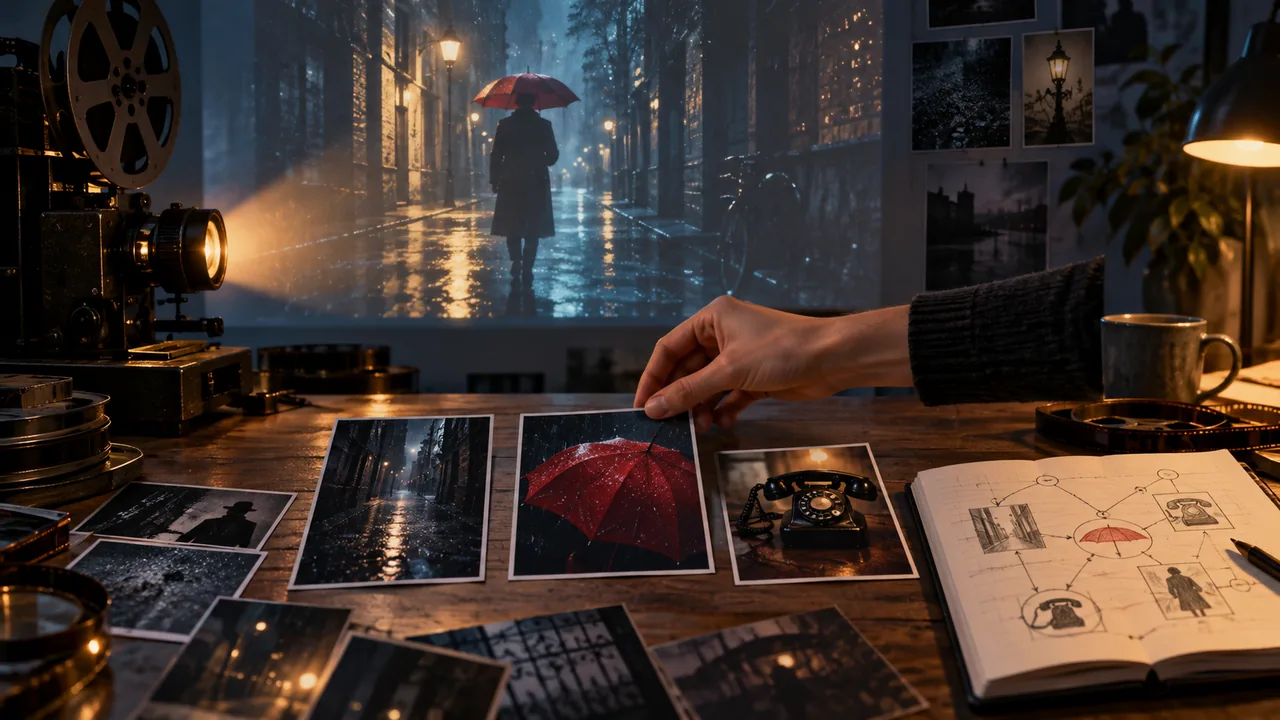
“我明明记得那部电影,但就是搜不出来。”
这类问题非常普遍。很多时候并不是你记性差,而是你把“画面记忆”直接丢给了“文字检索系统”。
人的记忆通常以情绪、片段和视觉印象存在; 而搜索系统(无论是 AI 还是传统搜索)更依赖结构化、可区分、可验证的文本信号。
这篇文章的目标很明确:
- 帮你把模糊记忆转成高质量输入
- 让 AI 与传统搜索都更容易命中
- 同时降低“看起来很像但其实不是”的误判
先建立一个正确预期
找片并不是“写得越长越好”,而是“写得越可区分越好”。
一个 40 字但高信号的描述,常常比 200 字空泛形容词更有效。
你真正需要的是:
- 少量高价值事实
- 明确的动作与空间关系
- 可用于排除的边界信息
核心原则:优先写“可验证细节”
一个好描述,至少满足两个条件:
- 别人可以据此去核验(不是只停留在主观感受)
- 能够把候选电影明显分开(不是所有片都适用)
比如:
- “氛围很压抑” → 主观,不可验证
- “夜里在半地下住宅,角色从高地一路下行回家,最后住处被淹” → 可验证、可区分
六类高信号信息(优先级从高到低)
你不必每次都写满六类,但建议至少覆盖 3~4 类。
1)时间窗口(哪怕粗略)
- “像是 90 年代末”
- “智能手机时代之后”
- “可能是 2010 年前后”
时间信息能快速排除大量候选。即便不确定,也比完全不写更有用。
2)具体场景(而非笼统地点)
“在城市里”太泛; “雨夜、城市下坡楼梯、半地下住处”就很有区分度。
建议补充:
- 场景类型(船、学校、汽车旅馆、豪宅、医院)
- 时间与天气(夜晚、暴雨、雾天)
- 空间关系(室外到室内、楼上到楼下)
3)角色身份与关系
比“长相描述”更有价值的是“身份 + 关系”。
例如:
- “失势警探与嫌疑人”
- “假扮家教的年轻女性”
- “父子在逃”
这类关系信息非常适合做二次筛选。
4)单句动作节点
这是最关键的一项。你要能用一句话写清“谁做了什么”。
例如:
- “她躲在床底,入侵者打着手电搜屋。”
- “导师拿出两种颜色药丸让主角选择。”
- “角色在旋转走廊中继续近身搏斗。”
动作节点越清楚,系统越容易建立准确候选。
5)独特标记(道具/声音/镜头)
加一个“难以替换”的细节会极大提升命中率:
- 道具:陀螺、黄色雨衣、破损怀表
- 声音:两音动机、高频弦乐尖啸
- 视觉:旋转走廊、镜像房间、红色楼梯
6)排除条件(not this)
排除条件在实战里被严重低估。
例如:
- “不是动画片”
- “不是超级英雄电影”
- “不是 2010 年翻拍版”
当你已经遇到“候选很多且很像”的情况,排除项通常是最快的收敛手段。
弱描述与强描述:三组对照
对照 1
弱:
“一个恐怖片,屋里有人躲着。”
强:
“2000 年代家入侵惊悚片。夜间场景。女角色躲在床底,闯入者用手电在房间搜人,整体不是超自然方向。”
为什么更强:年代、动作、空间、排除条件齐全。
对照 2
弱:
“有楼梯和下雨。”
强:
“角色在夜间暴雨中连续下行多个室外楼梯,最后抵达被淹的半地下住所,画面持续强调‘向下移动’。”
为什么更强:加入了叙事功能与空间方向。
对照 3
弱:
“一个男的在船上和动物在一起。”
强:
“2010 年代初生存剧情片:年轻男性长期困在救生艇上,与大型野生动物共处;海面高亮、孤立感持续。”
为什么更强:时间、类型、视觉气质都具备排他性。
一个可直接复用的高命中模板
“我在找一部[类型]电影,可能是[年代]。关键场景发生在[具体地点]。主角是[身份/关系]。核心动作是[一句话]。独特标记是[道具/声音/视觉特征]。它不是[容易混淆的电影/类型]。”
你可以先把这段发给 AI,再把里面的核心词拆成传统搜索关键词,形成联动检索。
推荐实操流程(3 步)
第一步:先用结构化描述跑 AI
目标不是“一步到位”,而是获得可信候选集。
建议输出要求:
- 让 AI 给出 3~10 个候选
- 每个候选附“匹配依据”
- 标出不确定项
第二步:针对候选做网页交叉验证
把“独特细节 + 候选片名”组合检索,验证该细节是否真实存在。
例如:
- 片名 + 场景地点 + 动作
- 片名 + 道具关键词
- 片名 + 台词碎片
第三步:数据库做最终核验
在 IMDb/豆瓣/TMDB 对以下信息做闭环确认:
- 年份
- 角色关系
- 关键剧情节点
如果三项里有两项以上不匹配,建议回到第一步重写描述,而不是强行认定。
常见误区与修正方法
误区 1:把两部电影记忆混在一起
修正:拆成 A/B 两组线索分别检索,再看哪组能形成稳定闭环。
误区 2:对不确定信息写成确定语气
修正:对不确定字段加“可能/大概/不确定”,降低误导权重。
误区 3:形容词很多,动作很少
修正:至少补一条“谁在何处做了什么”。
误区 4:没有排除条件
修正:至少加一条“不是 X”,快速过滤高相似热门片。
搜索前 30 秒自检清单
提交前快速检查:
- 是否有年代范围?
- 是否有具体场景?
- 是否写了角色身份/关系?
- 是否有单句动作节点?
- 是否有独特标记?
- 是否有排除条件?
满足 3 项以上,命中率通常会显著改善; 满足 5 项以上,误判率会明显下降。
最后建议:把“描述能力”当作检索能力的一部分
多数找片失败,不是工具不够好,而是输入信号不够清晰。
当你学会把记忆转成“可验证、可区分、可排除”的表达, 你会发现不仅 AI 更准,Google 和数据库也会更快给你答案。
找片从来不是拼运气,而是拼方法。